Two series, both on Amazon
The Hunter Ashford Preparedness Library covers the systems that carry a household through a crisis. The Self-Reliant Provider covers the everyday skills that keep a pantry full.
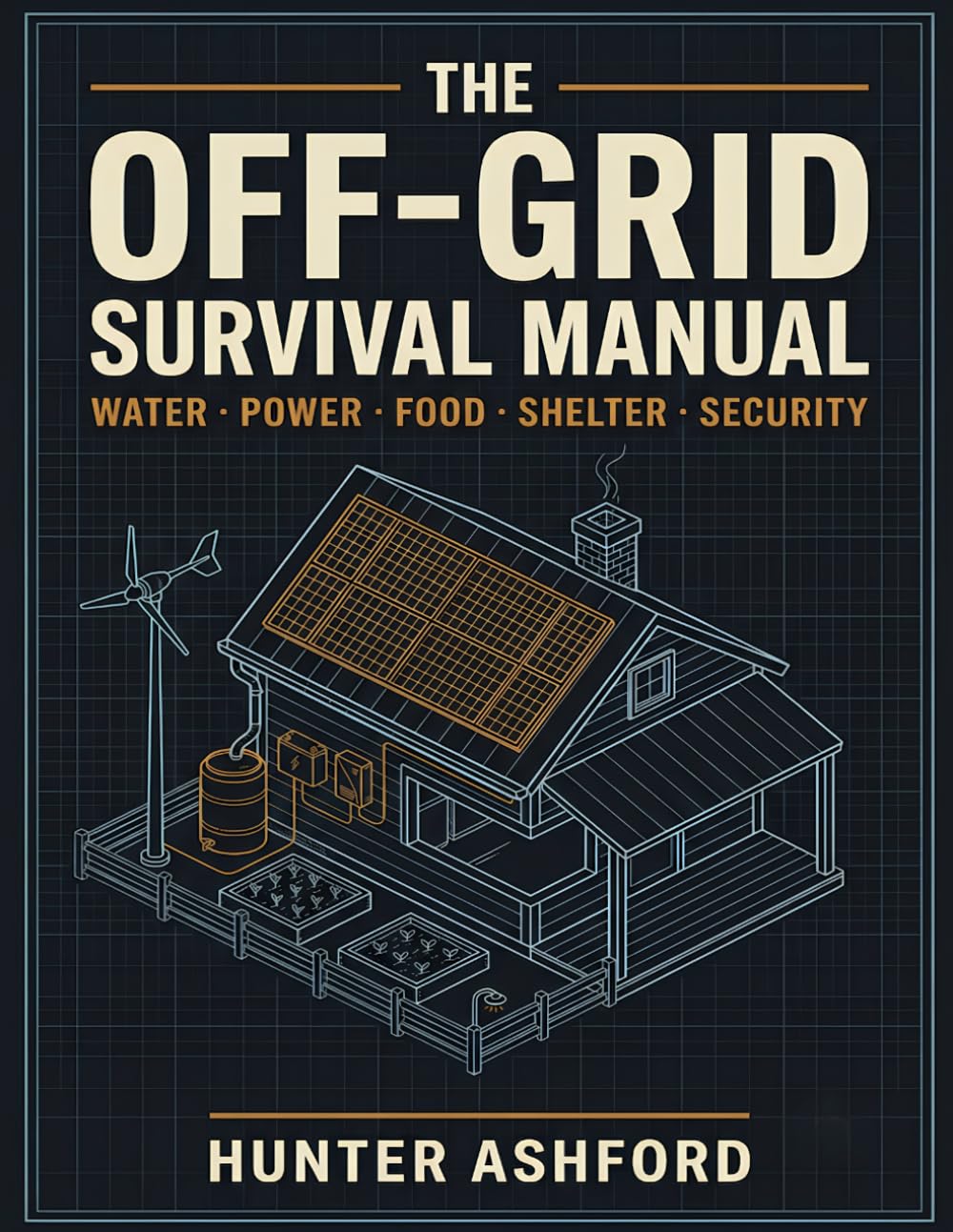
The Off-Grid Survival Manual
Twenty-two builds for water, power, food, shelter, security and emergency. Each one has a diagram, a real materials list, and an honest call on whether it's worth your weekend.
🇺🇸 View on Amazon About the book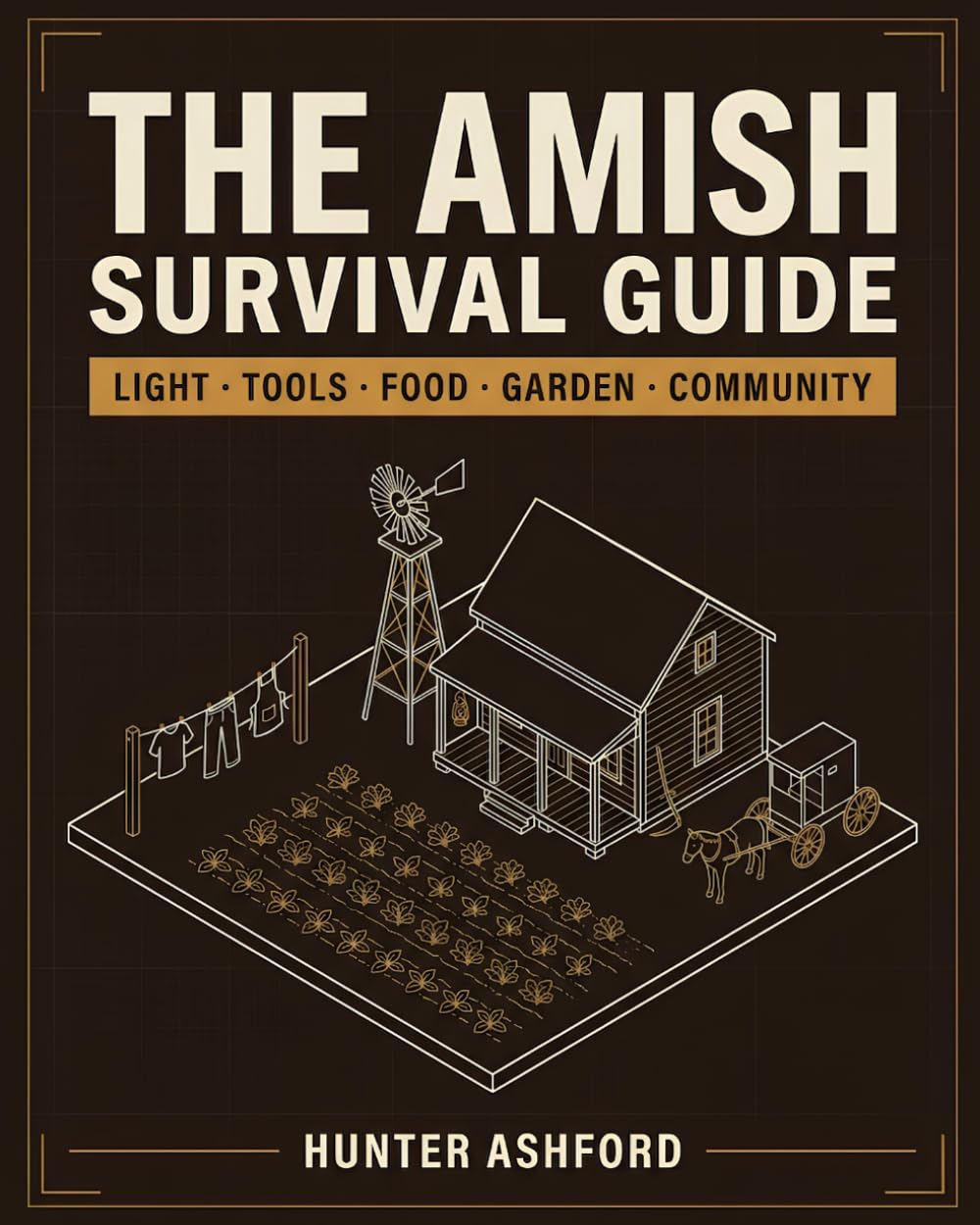
The Amish Survival Guide
An outsider's honest look at the Amish practices that still work. Light and heat without the grid, food that keeps without a freezer, hand tools worth owning, and the mutual-aid model underneath all of it.
🇺🇸 View on Amazon About the book
The Complete Guide to Home Canning & Preserving
Water-bath and pressure canning, fermenting, dehydrating and root cellaring, taught from zero. Every process follows a current method from a named source, and every recipe states its own.
🇺🇸 View on Amazon About the book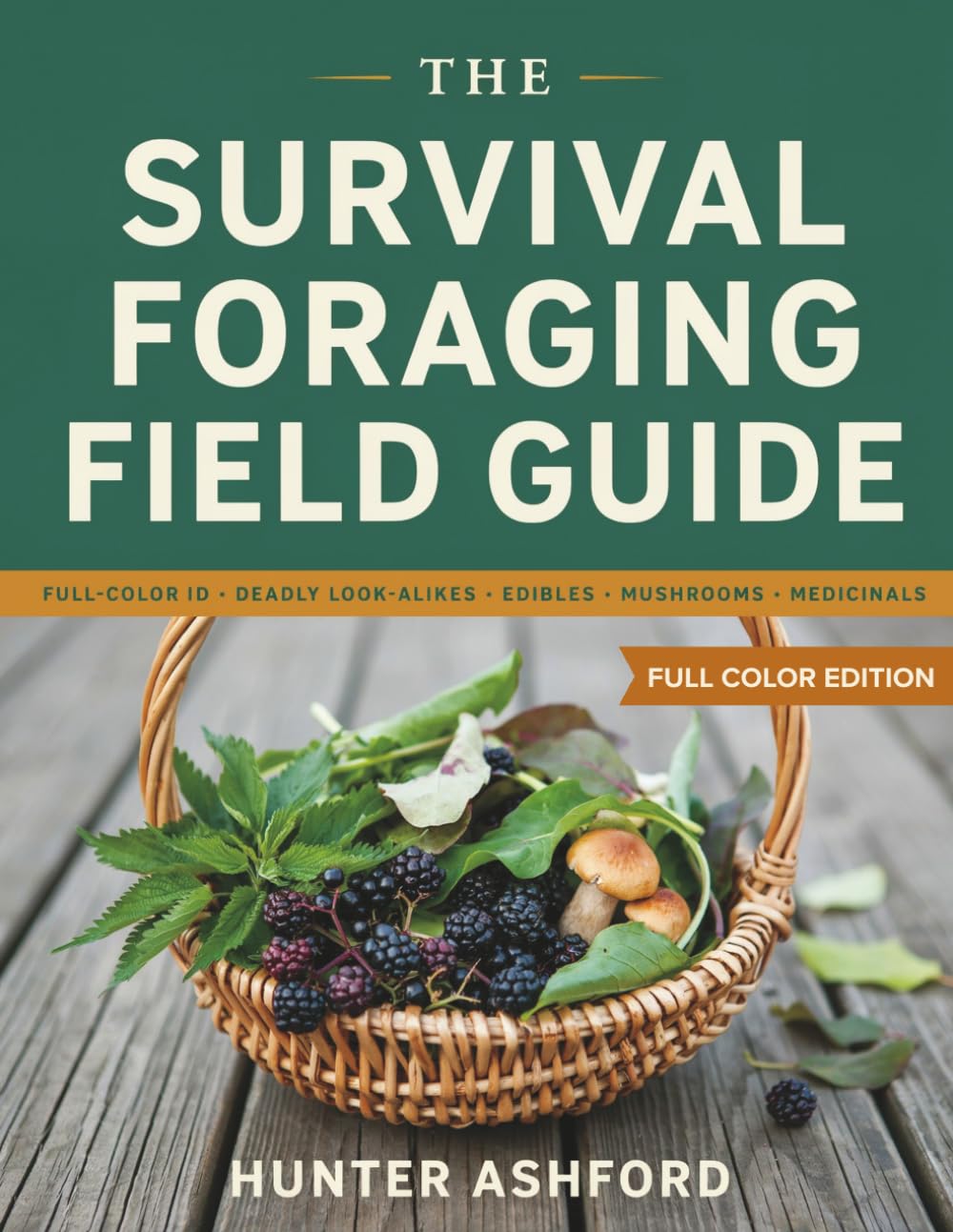
The Survival Foraging Field Guide
Fifty-plus edible wild plants, beginner-friendly mushrooms and wild medicinal herbs, in color. The dangerous look-alikes get the clearest pages in the book, shown beside the detail that tells them apart.
🇺🇸 View on Amazon About the book